How to Budget for Kitchen Remodel requires thoughtful planning and a clear understanding of the costs involved. From labor and materials to plumbing and electrical work, expenses can escalate quickly if not managed properly. To create an effective budget, start by identifying essential costs, such as cabinetry, countertops, appliances, and flooring. Allocate funds for each category, factoring in unexpected expenses that may arise. Prioritize your must-haves and consider cost-saving alternatives for non-essential features. A well-planned budget ensures financial stability throughout the project and increases the likelihood of a successful kitchen remodel that aligns with your vision.
Key Takeaways
- Create a realistic budget by determining how much can be spent based on income, savings, and expenses.
- Allocate funds using the 10-10-80 rule: 10% for planning and design, 10% for contingencies, and 80% for construction and materials.
- Prioritize spending by categorizing expenses into essential, desirable, and optional elements to allocate funds effectively.
- Set realistic expectations and track expenses meticulously to stay on track and prevent financial stress.
- Establish clear communication with contractors and regularly review and adjust the budget to guarantee a successful project outcome.
Understanding Kitchen Remodel Costs
When it comes to kitchen remodels, understanding the costs involved is a pivotal step in creating a realistic budget. By grasping the various expenses associated with a kitchen remodel, you can effectively plan and allocate resources, ensuring a successful project. One of the primary costs to weigh up is labor. Hiring a professional contractor or builder will make a substantial impact on your budget, with labor costs often accounting for 10-20% of the total expenditure.
Material costs are another vital aspect of kitchen remodels. Cabinets, countertops, and appliances can range from budget-friendly to exorbitant, depending on your preferences and quality expectations. Researching and selecting materials that balance quality and affordability is essential in managing costs. Additionally, consider the costs associated with plumbing and electrical work, which may involve hiring specialized professionals or upgrading your home’s infrastructure. To effectively budget for your kitchen remodel, it is essential to understand these costs and how they will impact your overall expenditure. By doing so, you can create a detailed and realistic budget that aligns with your goals and financial means in How to Budget for Kitchen Remodel.
Assessing Your Budget Needs
A well-crafted budget is the backbone of any successful kitchen remodel. To create a realistic budget, you must first evaluate your budget needs. This involves determining how much you can afford to spend on your kitchen remodel. Consider your income, savings, and expenses to establish a comfortable spending limit.
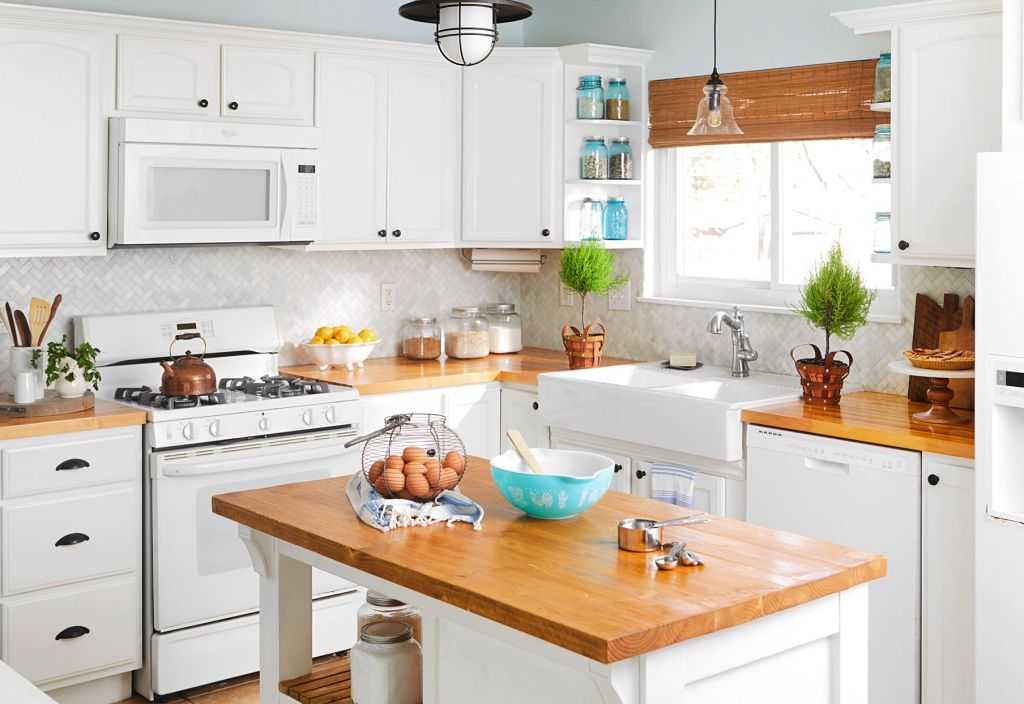
When evaluating your budget needs, having a clear strategy is crucial. What do you want to achieve with your remodel? Are you looking to update the aesthetic, improve functionality, or increase the value of your home? Knowing your goals will help you prioritize your spending and make informed decisions about how to allocate your budget.
To effectively evaluate your budget needs, consider the costs associated with various kitchen remodel components, such as materials, labor, and permits. Researching the average costs of these components will provide a solid foundation for your budget. By understanding your financial constraints and goals, you can create a budget that aligns with your vision for a successful kitchen remodel and learn how to budget for a kitchen remodel effectively.
How to Budget for Kitchen Remodel
Evaluating your budget needs provides a solid foundation for your kitchen remodel. To create an effective budget plan, start by calculating your total budget for the project. Consider your financial resources, including savings, loans, or other financing options. Determine how much you can allocate for the remodel, and set a realistic target.
When creating your budget plan, consider the costs associated with various aspects of the remodel, such as materials, labor, and permits. Allocate funds accordingly, and prioritize essential elements, such as plumbing and electrical work. Be sure to include contingencies for unexpected expenses.
To budget for your kitchen remodel effectively, use the 10-10-80 rule: allocate 10% of your budget for planning and design, 10% for contingencies, and 80% for actual construction and materials. This will help you stay within your budget and guarantee a successful remodel. By understanding how to budget for kitchen remodel, you can create a budget plan that aligns with your financial resources and goals. This approach will guide you in making informed decisions throughout the remodeling process.
Prioritizing Spending and Expenses
Prioritizing spending and expenses is pivotal in maintaining a balanced budget, as kitchen remodels often involve numerous expenditures. A well-planned approach to budgeting for a kitchen remodel considers the interplay between needs and wants, allowing you to allocate funds effectively. Begin by categorizing your spending into essential, desirable, and optional expenses. Essential expenses include necessary elements like plumbing, electrical work, and structural changes, which are vital to the overall functionality of the kitchen.
Desirable expenses, on the other hand, encompass aesthetic upgrades like new appliances, countertops, and flooring. Optional expenses are those that can be postponed or eliminated if budget constraints arise. By prioritizing your spending and expenses, you can guarantee that your kitchen remodel aligns with your ‘How to Budget for Kitchen Remodel’ plan and stays within the boundaries of your financial capabilities. This deliberate approach enables you to make informed decisions about where to allocate your funds, ultimately leading to a successful and satisfying kitchen remodel experience.
Staying Within Your Budget
By employing a budget-conscious mindset, homeowners can maintain fiscal discipline throughout the kitchen remodel process. This approach allows them to stay within their budget and make the most out of their investment. Staying within your budget is vital when it comes to How to Budget for Kitchen Remodel, as it helps prevent financial stress and guarantees a successful project outcome.
To maintain a tight grip on your expenses, follow these key strategies:
- Set realistic expectations: Understand that unexpected expenses will arise, so allocate a contingency fund to cover them.
- Track expenses meticulously: Keep a detailed record of every transaction, no matter how small, to verify you’re staying on track.
- Prioritize needs over wants: Be honest with yourself about what you need versus what you want, and allocate your budget accordingly.
- Establish clear communication with contractors: Verify that your contractors understand your budget constraints and are working to stay within them.
Conclusion
Effective budgeting for a kitchen remodel necessitates meticulous consideration of labor and material costs, plumbing and electrical work expenses, and permits. By allocating funds using the 10-10-80 rule and prioritizing essential upgrades, financial stress can be mitigated. A well-planned budget enables the successful execution of a kitchen remodel, ensuring that needs are met while wants are carefully weighed. This strategic approach fosters a harmonious balance between aesthetics and fiscal responsibility.
 Dream Space Renovations